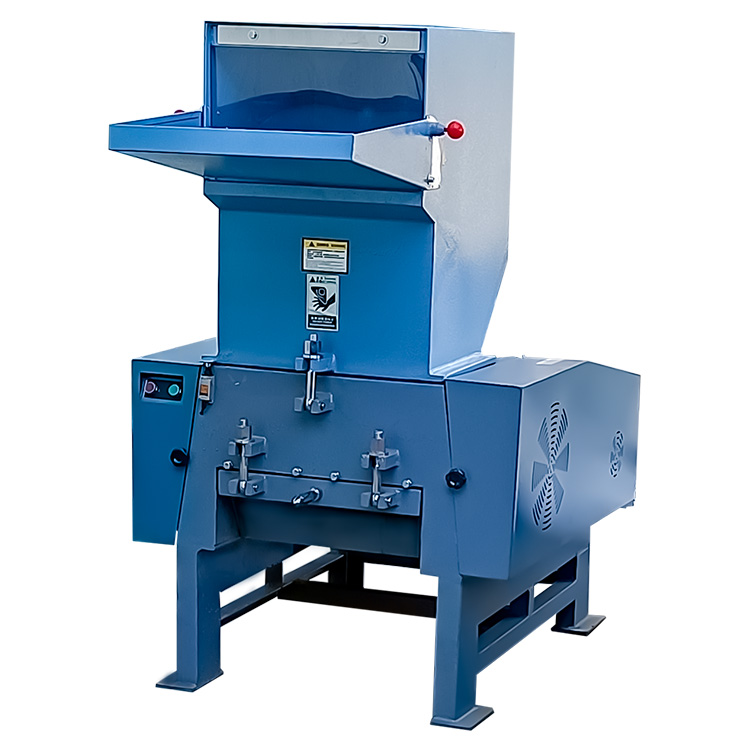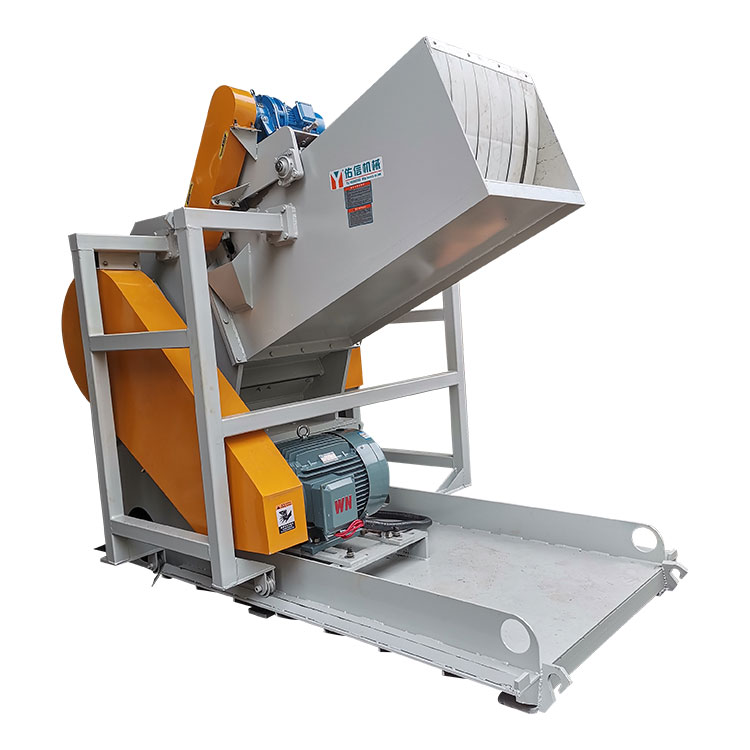
Plastic waste presents significant challenges for manufacturers, recyclers, and waste management facilities when it comes to space, disposal costs, and environmental compliance. A Plastic Pipe Crusher addresses these challenges by reducing large plastic pipe waste into smaller, manageable forms that can be more easily transported, stored, and recycled. This article examines what a Plastic Pipe Crusher is, how it works, the problems it solves, practical selection criteria, and frequently asked questions relevant to industry professionals and decision-makers.
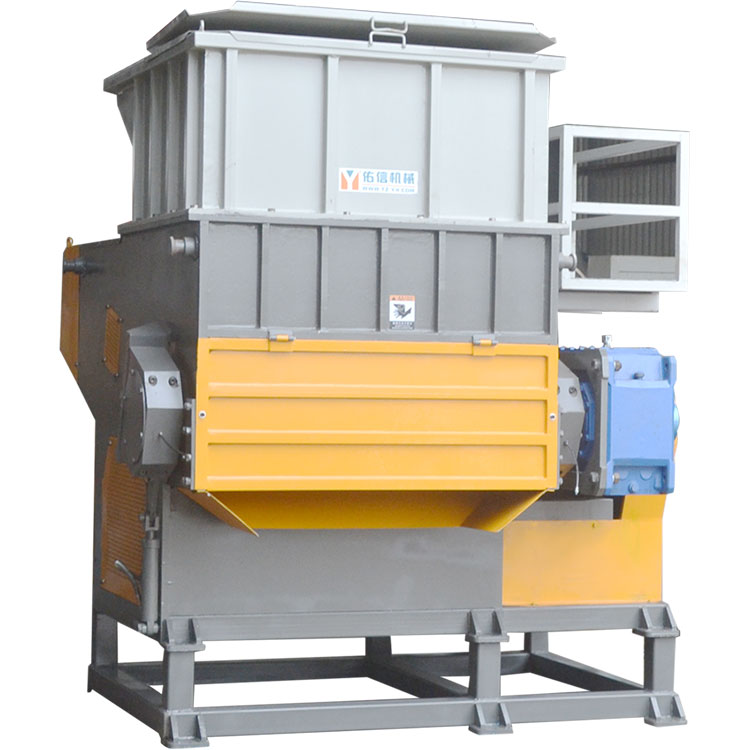
In this comprehensive guide we explore what a Plastic Lump Shredder is, how it works, its key benefits, technical specifications, best-use scenarios, and answers to common questions. As a cornerstone of industrial recycling and waste processing, this machine delivers significant value in volume reduction, cost savings, and sustainability goals—especially when choosing a trusted brand like YOUXIN.
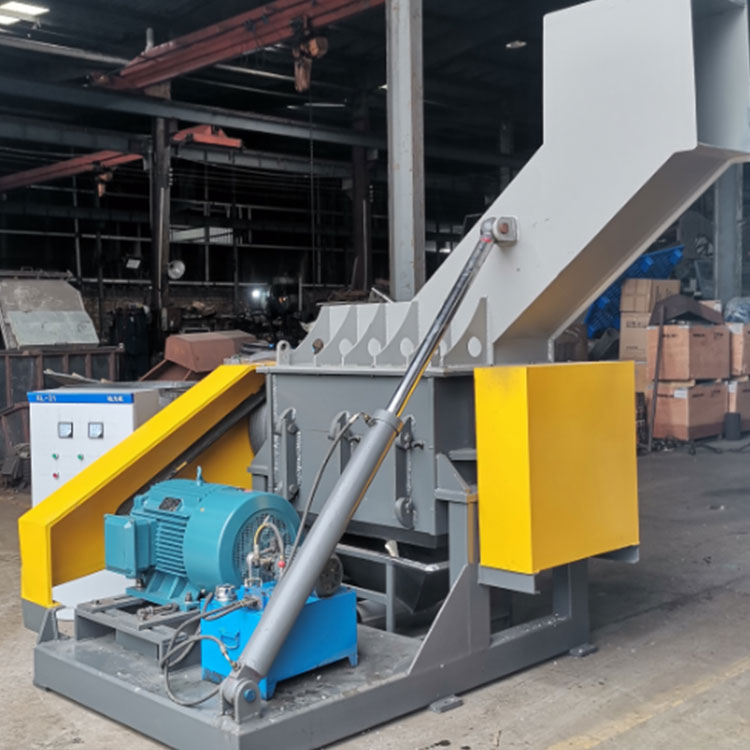
That’s precisely why a specialized heavy-duty Plastic Pipe Granulator isn’t just another machine—it’s a critical solution. At YOUXIN, we’ve engineered our granulators to tackle these industrial-scale challenges head-on, transforming cumbersome pipe waste into valuable, consistent regrind efficiently and reliably.
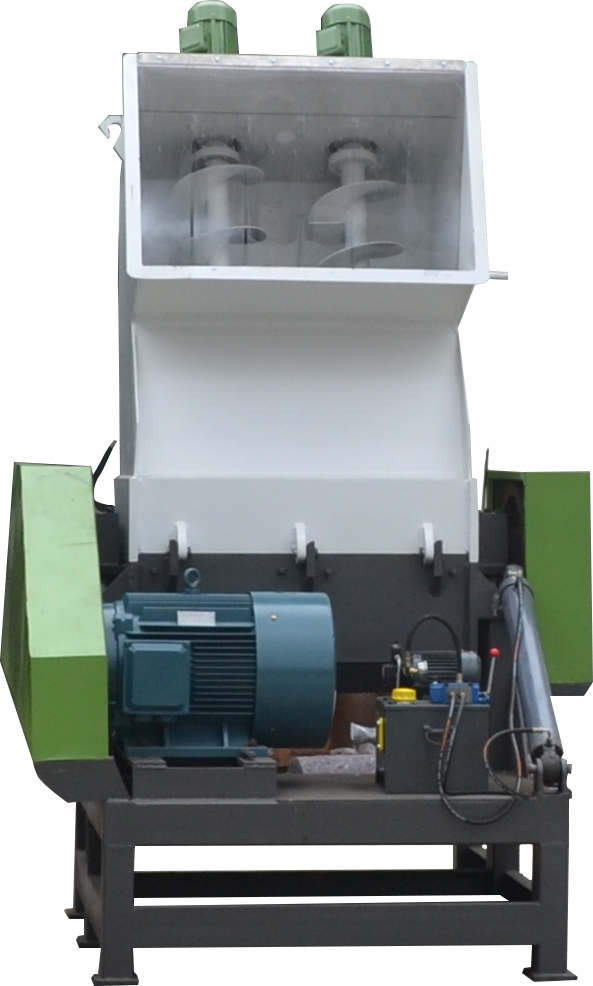
In today's environmentally conscious world, efficient plastic recycling has become an integral part of sustainable manufacturing. Among the many tools that support this process, the PET Plastic Bottle Crusher plays a vital role in waste management, resource recovery, and cost-effective production. As a professional in the plastic recycling machinery field, I have witnessed how this equipment revolutionizes the way we handle discarded PET bottles. But what makes this machine so indispensable in the recycling chain? Let's explore its functions, features, and real-world benefits in detail.
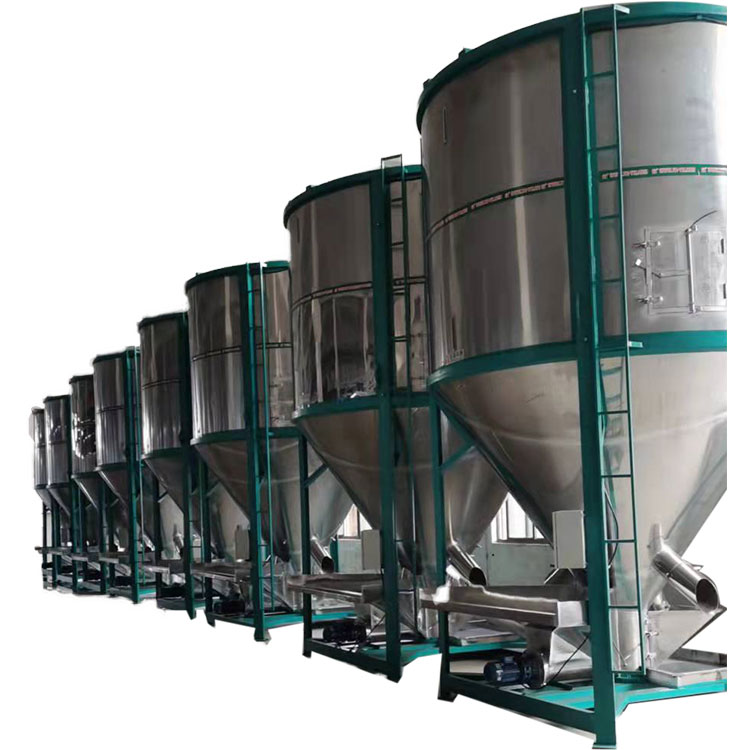
Plastics processing plants often use plastic mixers to mix different types of plastic pellets. The problem is that these pellets have different melting points, some low and some high. If not handled properly, the lower-melting-point pellets may melt and stick to the mixing chamber walls, leaving the higher-melting-point pellets unmixed. The resulting material will either be clumpy or have an uneven composition, making it unusable. So, how can we avoid the problem of some pellets melting due to heat, leaving others unmixed?
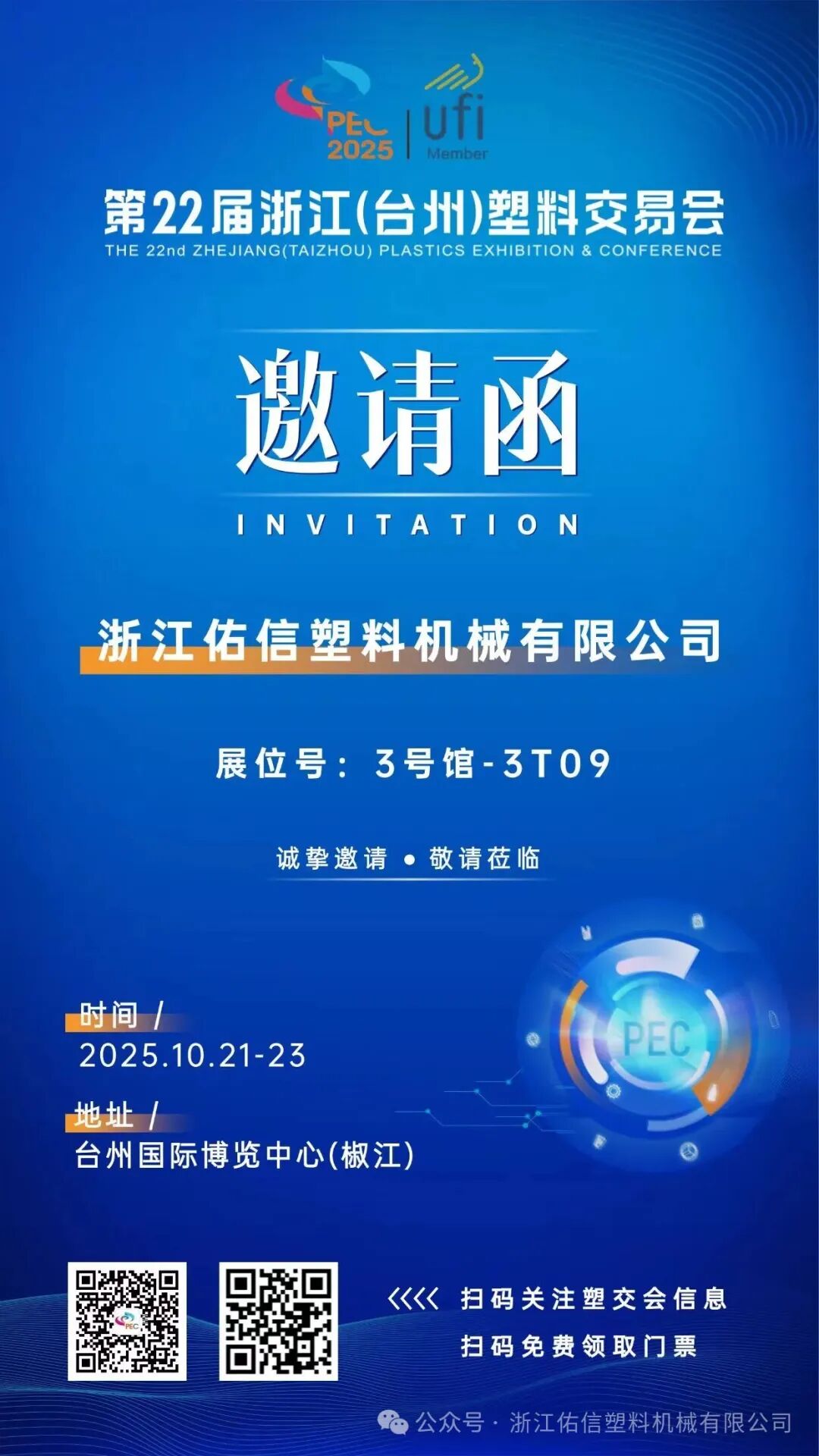
The 22nd Zhejiang(Taizhou) Plastic Exhibition & conference Time:21-23,Oct,2025 ADD:Taizhou International Expo Center(Jiaojiang) Booth No: Hall 3, 3T09